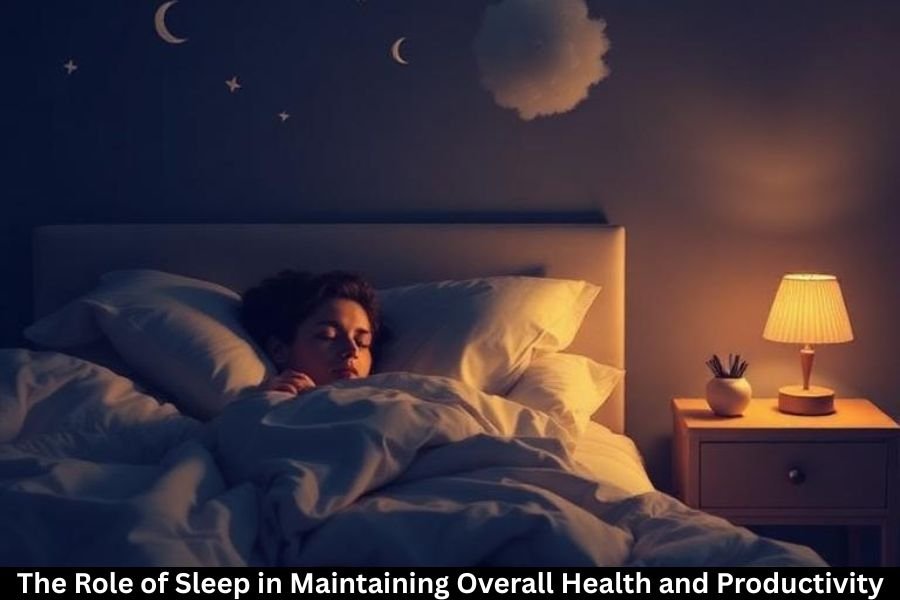
Sleep is often treated like a luxury—but in reality, it’s a biological necessity. Just like food and water, sleep is essential for survival, health, and peak performance. Yet many people sacrifice it in the name of productivity, not realizing that poor sleep does the exact opposite.
What Is Sleep and Why Do We Need It?
Sleep is a natural restorative process where the body and brain recharge. During sleep, tissues repair, memories consolidate, and energy stores are replenished. Without enough sleep, the body struggles to function efficiently.
Sleep in Today’s Fast-Paced World
With constant notifications, long work hours, and endless screen time, sleep often takes a back seat. Unfortunately, chronic sleep deprivation has become the norm rather than the exception.
The Science of Sleep
Sleep isn’t just “turning off.” It’s a highly active and organized process.
Sleep Cycles Explained
REM Sleep
Rapid Eye Movement (REM) sleep is when dreaming occurs. It plays a critical role in emotional regulation, learning, and memory consolidation.
Non-REM Sleep
Non-REM sleep includes deep sleep stages where physical restoration occurs. This is when muscles repair, bones strengthen, and the immune system gets a boost.
How the Body Repairs Itself During Sleep
Think of sleep as your body’s overnight maintenance crew. Cells repair damage, inflammation decreases, and growth hormones are released.
Physical Health Benefits of Quality Sleep
Good sleep supports nearly every system in the body.
Sleep and Immune System Function
Adequate sleep strengthens immune defenses, helping the body fight infections and recover faster from illness.
Heart Health and Blood Pressure
Poor sleep increases the risk of high blood pressure, heart disease, and stroke. Consistent sleep supports cardiovascular health.
Weight Management and Metabolism
Lack of sleep disrupts hunger hormones, increasing cravings and slowing metabolism—making weight gain more likely.
Hormonal Balance
Sleep regulates hormones related to stress, growth, appetite, and mood. When sleep is off, everything feels off.
Sleep and Mental Health
Sleep and mental health are deeply connected.
Emotional Regulation
A well-rested brain handles emotions better. Sleep deprivation makes people more reactive and emotionally sensitive.
Stress, Anxiety, and Depression
Poor sleep increases stress levels and worsens symptoms of anxiety and depression. Quality sleep acts as a natural mood stabilizer.
Sleep’s Role in Mental Resilience
Sleep helps build mental resilience, making it easier to cope with challenges and setbacks.
Sleep and Brain Function
Your brain relies on sleep to stay sharp.
Memory and Learning
Sleep strengthens memory pathways, helping you retain information and learn new skills more effectively.
Focus, Decision-Making, and Creativity
Ever notice how everything feels harder when you’re tired? Sleep improves focus, judgment, and creative thinking.
Sleep and Workplace Productivity
Sleep is a secret weapon for professional success.
Impact of Sleep on Performance
Well-rested employees are more productive, efficient, and engaged at work.
Errors, Burnout, and Absenteeism
Sleep deprivation increases mistakes, workplace accidents, burnout, and sick days.
Effects of Sleep Deprivation
Missing sleep comes at a cost.
Short-Term Consequences
These include fatigue, irritability, poor concentration, and slower reaction times.
Long-Term Health Risks
Chronic sleep deprivation increases the risk of heart disease, diabetes, obesity, and cognitive decline.
How Much Sleep Do We Really Need?
Recommended Sleep Duration by Age
Most adults need 7–9 hours of sleep per night, while children and teens require more.
Quality vs. Quantity of Sleep
It’s not just about hours—it’s about deep, uninterrupted sleep.
Common Sleep Disorders
Insomnia
Difficulty falling or staying asleep can significantly impact daily functioning.
Sleep Apnea
This condition disrupts breathing during sleep, reducing oxygen supply and sleep quality.
Circadian Rhythm Disorders
Irregular sleep-wake cycles can throw the body’s internal clock out of sync.
Lifestyle Factors That Affect Sleep
Diet and Caffeine
Late-night eating and excessive caffeine interfere with sleep quality.
Screen Time and Blue Light
Blue light from screens suppresses melatonin, the sleep hormone.
Stress and Work Schedules
High stress and irregular schedules make it harder to unwind and fall asleep.
Building Healthy Sleep Habits
Creating a Sleep-Friendly Environment
A cool, dark, and quiet bedroom promotes better sleep.
Establishing a Consistent Sleep Routine
Going to bed and waking up at the same time trains your body to sleep better.
Power Naps and Productivity
Benefits of Short Naps
A 20–30 minute nap can boost energy, focus, and mood.
When Napping Becomes Counterproductive
Long or late naps can disrupt nighttime sleep.
Sleep and Long-Term Success
Career Growth and Cognitive Longevity
Sleep supports long-term brain health and sustained career performance.
Quality of Life and Well-Being
People who sleep well enjoy better health, stronger relationships, and higher life satisfaction.
Conclusion
Sleep is not wasted time—it’s productive time for your body and mind. From physical health and mental clarity to workplace success and emotional balance, sleep plays a foundational role in overall well-being. Prioritizing sleep isn’t lazy—it’s smart, strategic, and essential for a healthy, productive life.
Frequently Asked Questions (FAQs)
1. Can I catch up on sleep over the weekend?
Extra sleep helps, but it doesn’t fully reverse chronic sleep deprivation.
2. Is 6 hours of sleep enough for adults?
For most adults, 6 hours is not sufficient for optimal health.
3. Does exercise improve sleep quality?
Yes, regular physical activity promotes deeper and more restful sleep.
4. Are naps good or bad for sleep?
Short naps are beneficial; long naps can interfere with nighttime sleep.
5. What’s the fastest way to improve sleep quality?
Stick to a consistent sleep schedule and reduce screen time before bed.