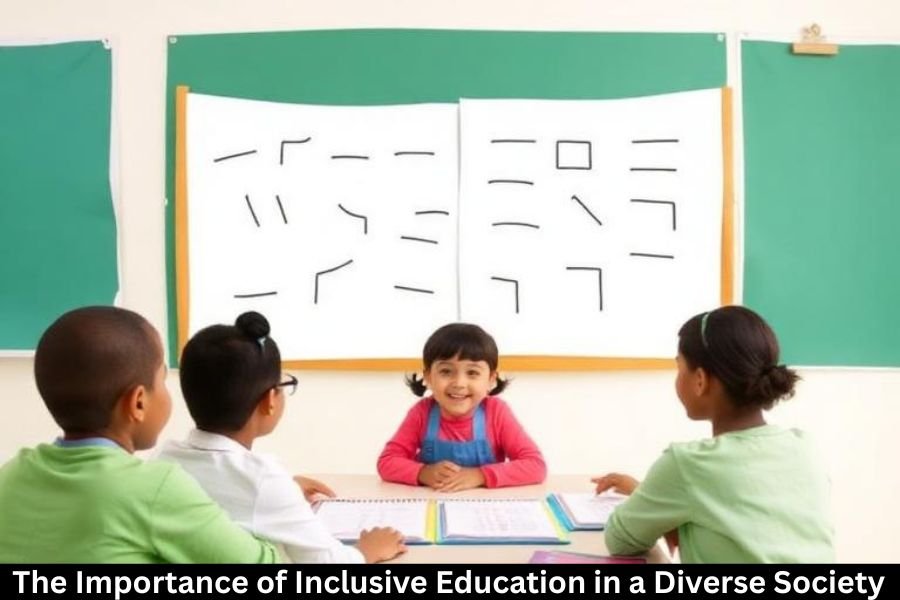
Classrooms today are a reflection of the world we live in—diverse, dynamic, and full of unique individuals. Students come from different cultures, abilities, languages, and social backgrounds. Inclusive education recognizes this diversity and embraces it rather than trying to fit everyone into the same mold.
At its core, inclusive education ensures that every student, regardless of their differences, has equal access to quality learning opportunities. It’s not about giving special treatment—it’s about creating fair and supportive environments where everyone can thrive.
Understanding Diversity in Modern Classrooms
Diversity goes beyond race or culture. It includes learning styles, physical and intellectual abilities, socioeconomic backgrounds, and personal experiences.
What Inclusive Education Truly Means
Inclusive education means teaching all students together, adapting methods to meet individual needs, and fostering a culture of respect and acceptance.
Why Inclusive Education Matters Today
Changing Demographics and Globalization
Global migration and interconnected societies have made classrooms more diverse than ever. Schools must evolve to reflect this reality.
Education as a Fundamental Human Right
Every child deserves access to education without discrimination. Inclusive education turns this principle into practice.
Key Principles of Inclusive Education
Equity vs Equality in Education
Equality gives everyone the same resources. Equity gives students what they actually need to succeed.
Respect for Individual Differences
Inclusive classrooms celebrate differences instead of seeing them as obstacles.
Valuing Cultural, Social, and Learning Diversity
When diversity is valued, students feel seen, heard, and respected.
Benefits of Inclusive Education for Students
Academic Growth and Engagement
Inclusive settings encourage collaboration, peer learning, and active participation.
Social and Emotional Development
Students learn communication, cooperation, and emotional intelligence.
Building Empathy and Mutual Respect
Learning alongside diverse peers helps students understand different perspectives.
Benefits for Teachers and Schools
Improved Teaching Practices
Teachers develop flexible strategies that benefit all learners.
Stronger School Communities
Inclusive schools foster trust, belonging, and positive relationships.
Collaborative Learning Environments
Students and teachers grow together through shared experiences.
Inclusive Education and Students with Disabilities
Breaking Barriers to Learning
Inclusive education removes physical, academic, and social barriers.
Assistive Technologies and Support Systems
Tools like screen readers and adaptive software enhance accessibility.
Individualized Learning Approaches
Personalized plans ensure every student reaches their potential.
Cultural and Linguistic Inclusion
Supporting Multilingual Learners
Language support programs help students succeed academically and socially.
Culturally Responsive Teaching
Lessons that reflect students’ cultures increase engagement.
Creating a Sense of Belonging
Belonging boosts confidence and motivation.
Inclusive Education and Social Equity
Reducing Educational Inequality
Inclusive education closes achievement gaps and promotes fairness.
Empowering Marginalized Communities
Education becomes a powerful tool for social change.
Role of Teachers in Inclusive Classrooms
Teacher Training and Awareness
Professional development equips teachers to address diverse needs.
Adapting Teaching Strategies
Flexible methods ensure no student is left behind.
Student-Centered Instruction
Learning shifts from teacher-led to learner-focused.
Role of Parents and Communities
Family Engagement in Education
Parental involvement strengthens student success.
Community Partnerships
Communities provide resources and real-world learning opportunities.
Shared Responsibility for Inclusion
Inclusion works best when everyone participates.
Technology as a Tool for Inclusion
Digital Learning Tools
Technology supports diverse learning styles.
Accessibility Through EdTech
Closed captions, audiobooks, and adaptive platforms enhance access.
Personalized Learning Solutions
Students learn at their own pace using digital tools.
Challenges in Implementing Inclusive Education
Lack of Resources and Infrastructure
Many schools struggle with funding and support.
Attitudinal Barriers
Misconceptions and resistance hinder progress.
Policy and Implementation Gaps
Strong policies must be matched with action.
Strategies to Promote Inclusive Education
Inclusive Curriculum Design
Curricula should reflect diverse voices and experiences.
Continuous Professional Development
Ongoing training keeps educators prepared.
Monitoring and Evaluation
Regular assessment ensures effectiveness.
Inclusive Education and the Future Workforce
Preparing Students for Diverse Workplaces
Inclusive education builds teamwork and communication skills.
Developing Global Citizens
Students learn respect, responsibility, and global awareness.
Conclusion: Building a More Inclusive Society Through Education
Inclusive education is not just an educational approach—it’s a social commitment. By embracing diversity in classrooms, we prepare students for a world that values empathy, collaboration, and equality. When education is inclusive, society becomes stronger, fairer, and more united. The future begins in inclusive classrooms where every learner belongs.
FAQs
1. What is inclusive education?
Inclusive education ensures all students learn together regardless of differences.
2. Why is inclusive education important in a diverse society?
It promotes equality, respect, and social harmony.
3. How does inclusive education benefit students?
It improves academic, social, and emotional development.
4. What role do teachers play in inclusive education?
Teachers adapt methods to support diverse learners.
5. Can technology support inclusive education?
Yes, technology improves accessibility and personalized learning.