What Is an Emergency Fund?
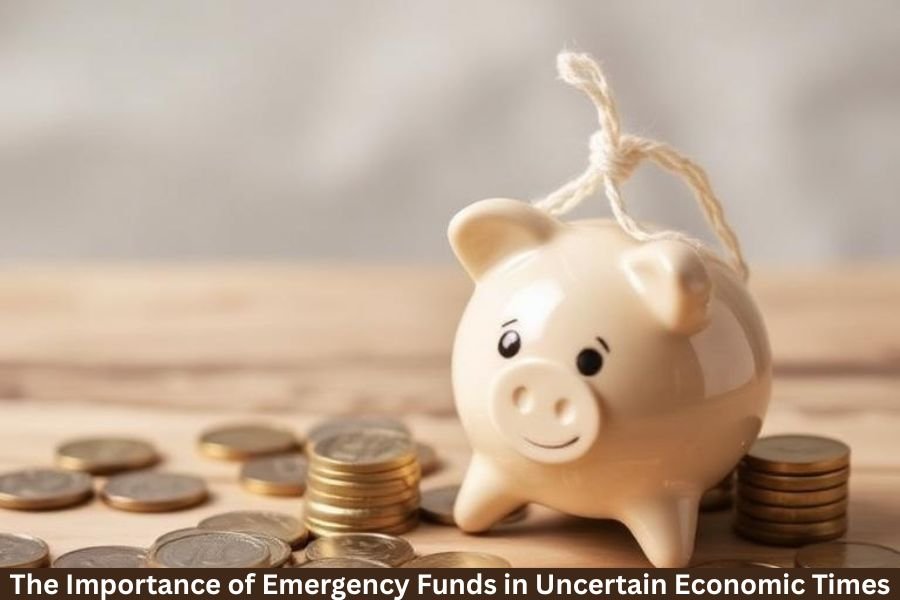
An emergency fund is money set aside specifically to handle unexpected financial shocks. Think of it as your personal financial safety net. It’s not for vacations, gadgets, or shopping sprees—it’s there for life’s curveballs, like job loss, medical bills, or urgent home repairs.
Why Economic Uncertainty Makes Emergency Funds Essential
When the economy feels shaky, uncertainty becomes the norm. Inflation, layoffs, rising interest rates, and market volatility can hit without warning. An emergency fund gives you stability when everything else feels unstable. It’s like having an umbrella ready before the storm starts.
Understanding Economic Uncertainty
Common Causes of Economic Instability
Economic uncertainty can stem from recessions, global crises, policy changes, or industry disruptions. These events ripple through businesses and households, often affecting income and job security.
How Uncertainty Affects Households
Uncertain times create anxiety around finances. People may face reduced work hours, rising costs, or unexpected expenses. Without a financial buffer, even small disruptions can turn into major setbacks.
Why Emergency Funds Matter More Than Ever
Protection Against Job Loss
Job loss is one of the most common financial emergencies. An emergency fund gives you time to find new work without panicking or making poor financial decisions.
Coping With Medical Emergencies
Even with insurance, medical expenses can pile up fast. Emergency funds help cover deductibles, prescriptions, and unexpected treatments without going into debt.
Handling Unexpected Expenses
From car breakdowns to home repairs, life is full of surprises. Emergency savings ensure these surprises don’t derail your finances.
The Financial Benefits of an Emergency Fund
Avoiding High-Interest Debt
Without savings, emergencies often end up on credit cards or personal loans. Emergency funds help you avoid high-interest debt that can linger for years.
Preserving Long-Term Investments
Selling investments during downturns can lock in losses. Emergency funds protect your long-term goals by keeping your investments untouched.
Reducing Financial Stress
Money stress affects sleep, health, and relationships. Knowing you have a financial cushion brings peace of mind that’s hard to put a price on.
How Much Should You Save in an Emergency Fund?
The 3–6 Month Rule Explained
Most experts recommend saving three to six months’ worth of essential expenses. This provides a solid buffer for most situations.
Adjusting Based on Personal Circumstances
If you’re self-employed, have dependents, or work in an unstable industry, you may need more. Stable income earners may be comfortable with less.
Emergency Fund Goals for Different Life Stages
Single individuals, families, and retirees all have different needs. Your emergency fund should evolve as your life changes.
Where to Keep Your Emergency Fund
High-Yield Savings Accounts
These accounts offer better interest than traditional savings while keeping money accessible.
Money Market Accounts
Money market accounts provide liquidity with slightly higher returns and limited risk.
Why Accessibility Matters More Than Returns
Emergency funds are about safety, not growth. Easy access matters more than chasing higher returns.
How to Build an Emergency Fund From Scratch
Starting Small Without Feeling Overwhelmed
Begin with small goals, like $500 or $1,000. Progress builds confidence.
Automating Your Savings
Automatic transfers remove temptation and make saving effortless.
Saving on a Tight Budget
Cut small expenses, redirect bonuses, or save tax refunds. Even modest contributions add up over time.
Rebuilding Your Emergency Fund After Use
When to Use Emergency Funds
True emergencies include job loss, medical expenses, or urgent repairs—not wants or planned expenses.
Creating a Replenishment Plan
Once used, prioritize rebuilding your fund before returning to discretionary spending.
Common Mistakes to Avoid
Treating Emergency Funds as Spending Money
Blurring the line between savings and spending defeats the purpose.
Keeping Funds in Risky Investments
Market volatility can wipe out funds when you need them most.
Waiting for the “Perfect Time” to Start
There’s never a perfect time. Start where you are.
Emergency Funds vs Other Savings
Emergency Funds vs Retirement Savings
Emergency funds come first. Without them, you may be forced to tap retirement accounts early.
Emergency Funds vs Sinking Funds
Sinking funds cover planned expenses, while emergency funds handle the unexpected.
Long-Term Impact of Emergency Funds on Financial Stability
Building Financial Confidence
Emergency savings empower you to face challenges with confidence rather than fear.
Improving Decision-Making During Crises
With financial breathing room, you can make thoughtful decisions instead of reactive ones.
Conclusion
In uncertain economic times, an emergency fund isn’t a luxury—it’s a necessity. It protects your finances, your mental health, and your future. You don’t need to be wealthy to start; you just need consistency and commitment. One small step today can create security tomorrow.
Frequently Asked Questions (FAQs)
1. Is an emergency fund still necessary if I have credit cards?
Yes. Credit cards create debt, while emergency funds prevent it.
2. Can I invest my emergency fund?
No. Emergency funds should be safe, liquid, and easily accessible.
3. What if I can only save a little each month?
That’s perfectly fine. Consistency matters more than amount.
4. Should couples have joint or separate emergency funds?
Many couples benefit from a joint fund covering shared expenses.
5. How often should I review my emergency fund?
Review it annually or after major life changes.