Ever feel exhausted even after a full night’s sleep?
Like your motivation quietly packed its bags and left?
Or maybe everything that once excited you now feels… heavy?
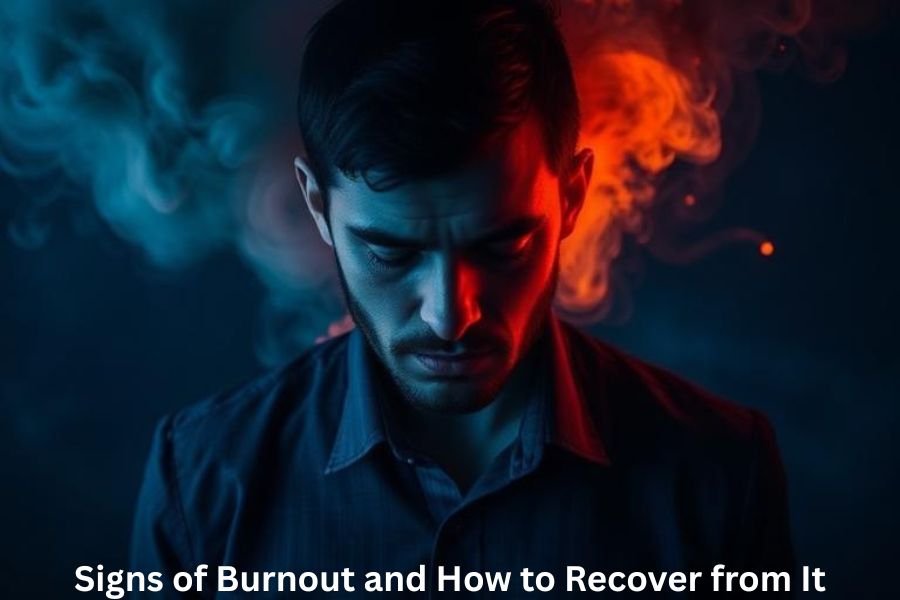
That’s not just “being tired.” That could be burnout.
And burnout isn’t dramatic. It’s sneaky. It creeps in slowly, like a battery draining in the background while you keep using your phone.
Let’s unpack what burnout really looks like — and more importantly — how to climb out of it.
What Is Burnout, Really?
Burnout is a state of emotional, mental, and physical exhaustion caused by prolonged stress. It often shows up when you’ve been running on pressure, responsibility, and expectations for too long without proper recovery.
It’s not weakness. It’s overload.
Burnout vs Stress – Not the Same Thing
Stress feels like:
⚡ Too much going on
⚡ Racing thoughts
⚡ Urgency
Burnout feels like:
🪫 Emptiness
🪫 Lack of energy
🪫 “What’s the point?”
Stress is drowning. Burnout is drying up.
Why Burnout Happens
Burnout thrives when:
- Demands exceed resources
- Effort exceeds reward
- Work exceeds rest
- Pressure exceeds recovery
It’s like constantly withdrawing from your energy bank without depositing anything back.
Early Warning Signs of Burnout
Burnout rarely hits like a thunderstorm. It starts as drizzle.
Miss these signs, and the drizzle becomes a flood.
Constant Fatigue
Not “I need coffee” tired.
More like:
👉 “I’m tired when I wake up.”
👉 “I’m tired doing simple tasks.”
👉 “I’m always drained.”
Your body feels like it’s dragging an invisible weight.
Lack of Motivation
Things you once handled easily now feel monumental.
Emails? Exhausting.
Meetings? Dreadful.
Daily routines? Overwhelming.
Even hobbies lose their spark.
Irritability and Mood Swings
Small annoyances suddenly feel gigantic.
- Snapping at loved ones
- Feeling easily frustrated
- Low patience
It’s emotional exhaustion leaking out.
Declining Performance
You’re working, but results aren’t matching effort.
- Reduced concentration
- More mistakes
- Brain fog
Your mind feels like it’s moving through mud.
Emotional Signs of Burnout
Burnout doesn’t just drain energy — it dulls emotions.
Feeling Detached or Numb
You go through the motions without feeling engaged.
Work becomes mechanical.
Life feels flat.
It’s like watching your own life from the sidelines.
Increased Anxiety
Ironically, burnout and anxiety often dance together.
You feel:
- Constant worry
- Tension
- Restlessness
Even minor tasks trigger stress.
Loss of Enjoyment
Activities that once made you happy now feel like obligations.
Joy fades. Excitement shrinks.
Everything becomes “meh.”
Physical Symptoms You Shouldn’t Ignore
Burnout lives in the mind — but it screams through the body.
Sleep Problems
Either:
😴 Can’t fall asleep
😴 Can’t stay asleep
😴 Sleep but never feel rested
Your nervous system refuses to switch off.
Frequent Illness
Weakened immunity = more colds, infections, fatigue.
Stress suppresses immune function.
Your body literally struggles to defend itself.
Headaches and Tension
Muscle tightness, neck pain, tension headaches — classic burnout companions.
Your body stores stress like a pressure cooker.
Behavioral Changes Linked to Burnout
Burnout quietly reshapes habits.
Procrastination
Tasks pile up. Avoidance increases.
Not laziness — exhaustion.
Your brain resists effort because it’s depleted.
Withdrawal from Social Life
You cancel plans. Ignore messages. Isolate.
Social energy feels expensive.
Unhealthy Coping Habits
Temporary escapes:
- Excess scrolling
- Junk food
- Alcohol
- Binge-watching
Short-term relief, long-term drain.
The Hidden Causes of Burnout
Burnout isn’t always about workload. Often, it’s about patterns.
Chronic Overwork
Always “on.”
No real breaks. No mental downtime.
Productivity without recovery = burnout recipe.
Lack of Boundaries
When work invades:
- Evenings
- Weekends
- Vacations
Your brain never gets off-duty time.
Perfectionism
Relentless self-pressure:
👉 “It’s never good enough.”
👉 “I must do more.”
Perfectionism fuels exhaustion.
How to Recover from Burnout
Recovery isn’t instant. But it’s absolutely possible.
Step 1 – Acknowledge It
Denial prolongs burnout.
Admitting “I’m burned out” is not failure — it’s awareness.
You can’t fix what you refuse to see.
Step 2 – Rest and Reset
This is non-negotiable.
Burnout recovery requires:
✔ Sleep
✔ Mental breaks
✔ Reduced stimulation
Rest is repair, not laziness.
Step 3 – Rebuild Healthy Routines
Once energy slowly returns:
- Regular sleep schedule
- Balanced meals
- Gentle movement
- Stress management
Think rebuilding, not rushing.
Practical Strategies for Healing
Let’s get actionable.
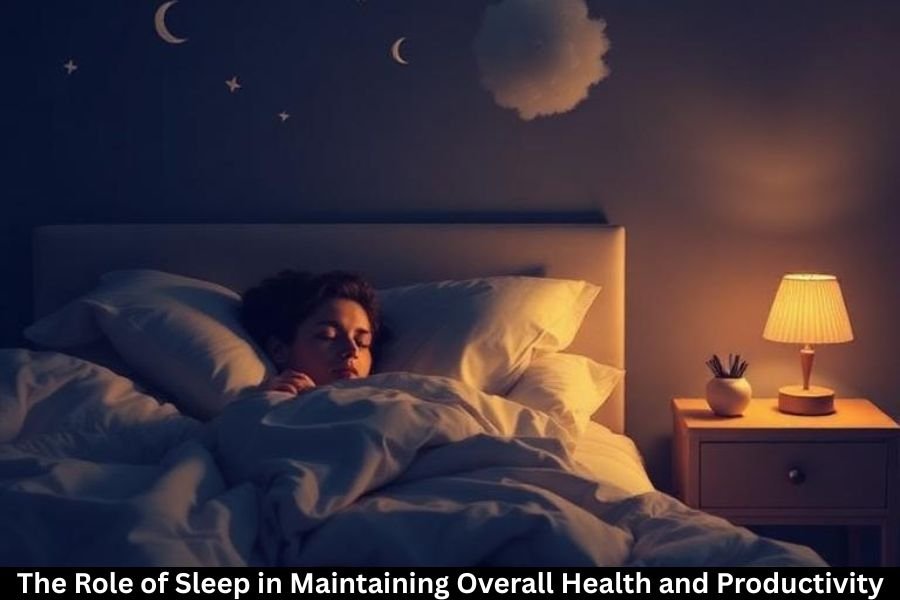
Sleep Recovery
Prioritize sleep like medicine.
Tips:
✔ Consistent bedtime
✔ No screens before bed
✔ Dark, cool room
✔ Relaxing pre-sleep ritual
Sleep restores emotional and cognitive function.
Stress Reduction Techniques
Calm your nervous system:
- Deep breathing
- Meditation
- Yoga
- Walks in nature
Even 5 minutes helps.
Workload Adjustments
If possible:
✔ Delegate
✔ Say no
✔ Reduce commitments
✔ Take time off
You cannot heal in the same environment that burned you out without adjustments.
Preventing Burnout in the Future
Because relapse is real.
Sustainable Productivity
Stop glorifying exhaustion.
Aim for:
✔ Focused work
✔ Regular breaks
✔ Real downtime
Productivity is a marathon, not a sprint.
Protecting Mental Energy
Guard your energy like a valuable asset.
Ask:
👉 “Does this drain or recharge me?”
👉 “Is this necessary?”
Boundaries protect sanity.
Conclusion
Burnout isn’t just “being tired.” It’s your mind and body waving a red flag.
Ignoring it deepens exhaustion.
Listening to it opens the door to recovery.
Rest. Reset. Rebuild.
And remember — slowing down isn’t falling behind.
Sometimes, it’s the only way to move forward.
FAQs
1. How do I know if I’m stressed or burned out?
Stress feels like over-engagement and urgency. Burnout feels like emptiness, detachment, and exhaustion.
2. How long does burnout recovery take?
It varies. Mild burnout may improve in weeks. Severe burnout may take months. Consistent recovery habits matter.
3. Can burnout affect physical health?
Yes. Burnout can weaken immunity, disrupt sleep, increase inflammation, and trigger tension-related symptoms.
4. Should I quit my job if I’m burned out?
Not always necessary. First consider rest, boundaries, workload adjustments, and recovery strategies.
5. What’s the fastest way to recover from burnout?
There’s no “fast fix,” but prioritizing sleep, reducing stress, and creating space for recovery are essential first steps.