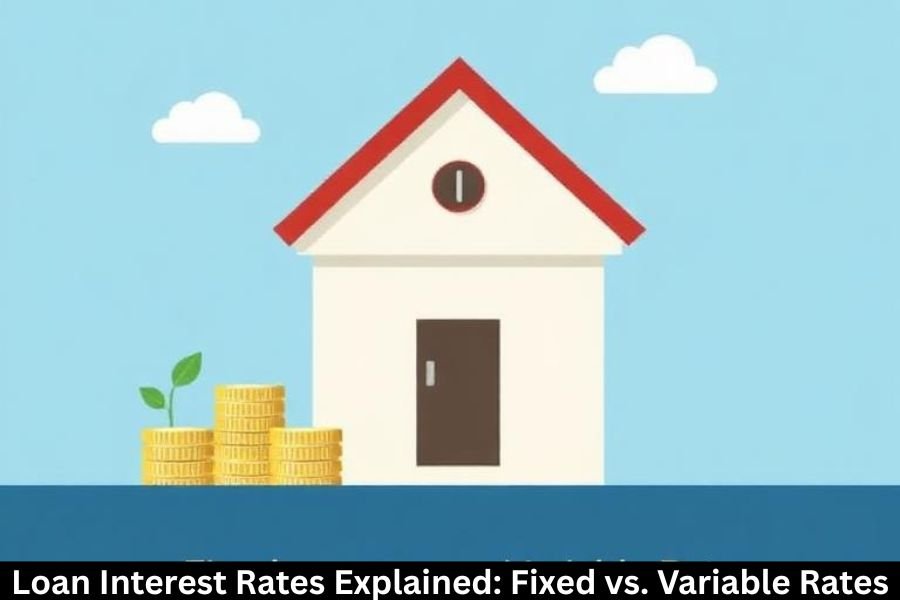
Interest rates may look like small percentages, but don’t be fooled—they have a massive impact on how much your loan actually costs. Choosing between a fixed and a variable interest rate is like choosing between a calm highway and a scenic mountain road. Both can get you to your destination, but the journey feels very different.
What Is an Interest Rate?
An interest rate is the cost of borrowing money, expressed as a percentage of the loan amount. It’s what lenders charge for letting you use their money. The higher the rate, the more you pay over time.
Why Interest Rates Matter in Borrowing
Interest rates determine your monthly payment, total repayment amount, and overall financial stress. Even a 1% difference can translate into thousands of dollars over the life of a loan.
Understanding Fixed Interest Rates
Fixed interest rates are all about predictability.
What Is a Fixed Interest Rate?
A fixed interest rate stays the same throughout the loan tenure. From your first payment to your last, the rate never changes.
How Fixed Rates Work
Once your loan is approved, the interest rate is locked in. Market fluctuations, inflation, or policy changes won’t affect your monthly payment.
Examples of Fixed-Rate Loans
Most personal loans and many auto loans use fixed interest rates. Some home loans also offer fixed rates for a certain period.
Pros and Cons of Fixed Interest Rates
Every good thing has a trade-off.
Advantages of Fixed Rates
The biggest benefit is stability. Your EMI remains constant, making budgeting easier. Fixed rates are ideal if you prefer certainty and dislike financial surprises.
Disadvantages of Fixed Rates
Fixed rates are often slightly higher than variable rates at the start. You also won’t benefit if market rates drop unless you refinance.
Understanding Variable Interest Rates
Variable rates are more dynamic—and a bit adventurous.
What Is a Variable Interest Rate?
A variable interest rate changes over time based on market conditions. It’s usually tied to a benchmark rate set by financial institutions.
How Variable Rates Work
When benchmark rates rise or fall, your loan interest rate adjusts accordingly. This means your EMI can increase or decrease.
Benchmark Rates and Market Influence
Central bank decisions, inflation, and economic growth all influence benchmark rates, which directly affect variable loans.
Pros and Cons of Variable Interest Rates
Variable rates can be a double-edged sword.
Advantages of Variable Rates
They usually start lower than fixed rates, which can reduce initial EMIs. If market rates fall, you save money.
Disadvantages of Variable Rates
The uncertainty can be stressful. Rising rates mean higher EMIs, which can strain your budget.
Fixed vs. Variable Rates: Key Differences
Let’s put them side by side.
Cost Comparison
Fixed rates may cost more initially, while variable rates can be cheaper over time—or more expensive, depending on market trends.
Risk and Stability
Fixed rates offer peace of mind. Variable rates involve risk but can reward borrowers during low-interest periods.
Impact on Monthly Payments
Fixed EMIs stay the same. Variable EMIs can fluctuate, making budgeting a bit tricky.
How Economic Conditions Affect Interest Rates
Interest rates don’t exist in a vacuum.
Inflation and Central Bank Policies
When inflation rises, central banks often increase rates to control spending. This impacts variable-rate loans immediately.
Market Trends and Rate Fluctuations
Global events, economic slowdowns, and growth spurts all influence interest rate movement.
Choosing the Right Interest Rate for Your Loan
There’s no one-size-fits-all answer.
Based on Financial Goals
If long-term stability is your priority, fixed rates make sense. If you’re aiming for short-term savings, variable rates may work.
Based on Risk Tolerance
Risk-averse borrowers prefer fixed rates. Those comfortable with uncertainty may choose variable rates.
Short-Term vs Long-Term Loans
Short-term loans can handle variable rates better. Long-term loans often benefit from fixed-rate security.
Fixed and Variable Rates Across Loan Types
Different loans favor different structures.
Home Loans
Home loans often offer both options. Fixed rates suit long-term planners, while variable rates attract cost-conscious borrowers.
Personal Loans
Personal loans usually come with fixed rates, providing predictable repayments.
Auto Loans
Auto loans mostly use fixed rates due to shorter tenures.
Business Loans
Business loans may use variable rates to align with market conditions and cash flow cycles.
Impact of Credit Score on Interest Rates
Your credit score speaks before you do.
How Lenders Price Risk
Higher credit scores signal lower risk, earning you better interest rates—fixed or variable.
Improving Your Rate Eligibility
Pay bills on time, reduce debt, and avoid frequent loan applications to boost your score.
Common Myths About Fixed and Variable Rates
Let’s bust a few myths.
Fixed Rates Are Always Better
Not true. Fixed rates offer stability but aren’t always cheaper in the long run.
Variable Rates Are Too Risky
They can be risky, but with proper planning and income stability, they can also be rewarding.
Tips to Get the Best Interest Rate
A little effort goes a long way.
Comparing Lenders
Never settle for the first offer. Compare rates, fees, and terms across lenders.
Negotiation and Timing
Good credit and market timing can help you negotiate better rates.
When You Should Switch or Refinance
Sometimes, change is good.
Signs It’s Time to Refinance
Lower market rates, improved credit score, or reduced income pressure are good reasons.
Fixed-to-Variable and Vice Versa
Switching can align your loan with changing financial goals.
Conclusion
Choosing between fixed and variable interest rates isn’t about picking the “best” option—it’s about choosing what’s best for you. Fixed rates offer comfort and predictability, while variable rates bring flexibility and potential savings. By understanding how each works and aligning them with your financial goals, risk tolerance, and loan tenure, you can make smarter borrowing decisions that support your financial future rather than complicate it.
FAQs
1. Is a fixed interest rate safer than a variable rate?
Yes, fixed rates are safer for budgeting because payments remain constant.
2. Can a variable interest rate become higher than a fixed rate?
Yes, if market rates rise significantly, variable rates can exceed fixed rates.
3. Which interest rate is better for long-term loans?
Fixed rates are generally better for long-term loans due to stability.
4. Can I switch from variable to fixed interest later?
Many lenders allow refinancing or switching, but fees may apply.
5. Do fixed rates ever change during the loan tenure?
No, fixed rates remain the same unless the loan is refinanced.