Once upon a time, education followed a straight line: go to school, get a degree, find a job, and settle into a career. That model no longer fits today’s fast-paced world. Technology evolves overnight, industries transform, and new careers appear while others disappear. In this environment, lifelong learning isn’t optional—it’s essential.
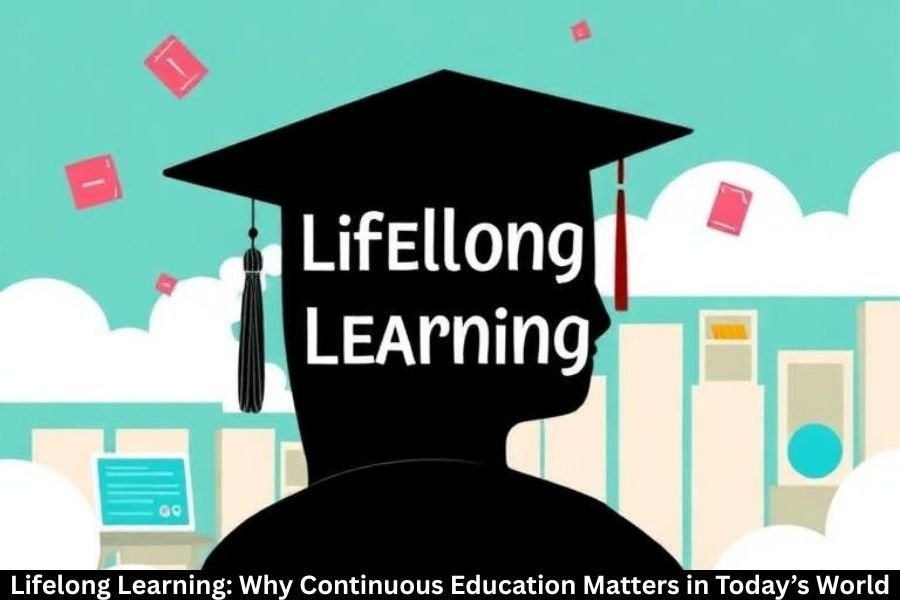
Lifelong learning is about staying curious, adaptable, and open to growth at every stage of life. It’s not just about professional success; it’s about personal fulfillment, mental agility, and keeping up with a constantly changing world.
The Changing Meaning of Education
Education is no longer confined to classrooms or limited to a specific age. Today, learning happens everywhere—online, at work, through conversations, and even through failure. The definition of being “educated” now includes adaptability and a willingness to keep learning.
Learning Doesn’t Stop After School
Graduation isn’t the finish line; it’s just the starting point. The most successful and fulfilled people understand that learning is a lifelong journey, not a one-time event.
What Is Lifelong Learning?
Understanding Continuous Education
Lifelong learning refers to the ongoing pursuit of knowledge and skills throughout life. It can be structured, like taking courses, or informal, like learning a new hobby or skill on your own.
Formal vs. Informal Learning
Formal learning includes degrees, certifications, and training programs. Informal learning happens through reading, watching tutorials, attending workshops, or learning from experience. Both are equally valuable.
Learning at Every Stage of Life
From childhood to retirement, learning evolves. Children learn fundamentals, adults build careers, and older adults often learn for personal enrichment and mental well-being.
Why Lifelong Learning Matters More Than Ever
Rapid Technological Advancements
Technology changes faster than ever, reshaping how we live and work.
Automation and Artificial Intelligence
Many routine jobs are being automated. Lifelong learning helps people stay relevant by developing skills that machines can’t easily replace, such as creativity and critical thinking.
The Rise of Digital Skills
Digital literacy is no longer optional. From basic computer skills to data analysis, continuous learning keeps individuals competitive in the digital age.
A Constantly Changing Job Market
Career paths are no longer linear. People switch roles, industries, and even professions multiple times. Lifelong learning makes these transitions smoother and less intimidating.
Lifelong Learning and Career Growth
Staying Relevant in Your Profession
Skills that were valuable five years ago may already be outdated. Continuous education helps professionals stay current and confident.
Upskilling and Reskilling
Upskilling improves existing skills, while reskilling helps people learn entirely new ones. Both are critical for career longevity.
Career Flexibility and Mobility
Lifelong learners can pivot more easily when opportunities arise. Learning opens doors to new roles and industries.
Increasing Earning Potential
Employees who continuously improve their skills often earn more. Knowledge is a powerful currency in today’s economy.
Personal Growth Through Lifelong Learning
Building Confidence and Self-Esteem
Learning something new boosts confidence. Every new skill mastered is proof that growth is always possible.
Learning as a Confidence Booster
When you overcome learning challenges, you develop resilience and self-belief.
Embracing a Growth Mindset
Lifelong learning encourages the belief that abilities can be developed with effort and persistence.
Enhancing Critical Thinking and Creativity
Learning exposes you to new ideas and perspectives, strengthening problem-solving and creative thinking.
Lifelong Learning and Mental Well-Being
Keeping the Brain Active
Just like muscles, the brain needs exercise. Learning keeps the mind sharp and engaged.
Reducing Stress and Improving Focus
Learning can be therapeutic. It provides structure, purpose, and a healthy distraction from daily stress.
Learning as a Source of Fulfillment
There’s deep satisfaction in mastering something new, whether it’s a language, skill, or hobby.
Supporting Emotional Resilience
Lifelong learners are often better equipped to handle change because they see challenges as opportunities to grow.
The Role of Technology in Lifelong Learning
Online Courses and E-Learning Platforms
Technology has made learning more accessible than ever.
Learning Anytime, Anywhere
With online courses, learning fits into busy schedules. You can study at your own pace, anytime.
Affordable and Accessible Education
Many platforms offer free or low-cost courses, removing financial barriers to education.
Social Learning and Online Communities
Online forums and learning communities allow people to learn collaboratively and share experiences.
Lifelong Learning in Everyday Life
Learning Beyond the Classroom
Learning doesn’t require a classroom. Everyday activities can be powerful learning opportunities.
Reading, Podcasts, and Self-Study
Books, podcasts, and videos make learning easy and enjoyable.
Learning Through Experience
Hands-on experiences often teach lessons that no textbook can.
Teaching Others as a Learning Tool
Teaching reinforces understanding. When you share knowledge, you deepen your own learning.
Challenges to Lifelong Learning
Time Constraints and Busy Schedules
Many people feel they don’t have time to learn. The key is small, consistent efforts.
Fear of Change or Failure
Fear often holds people back. Lifelong learning requires embracing mistakes as part of growth.
Overcoming Learning Barriers
Support systems, motivation, and accessible resources can help overcome obstacles.
How to Build a Lifelong Learning Habit
Setting Clear Learning Goals
Clear goals provide direction and motivation.
Creating a Learning Routine
Consistency matters more than intensity. Even 20 minutes a day adds up.
Tracking Progress and Staying Motivated
Tracking progress builds momentum and keeps motivation high.
Making Learning Enjoyable
Choose topics you love. Enjoyment fuels consistency.
The Long-Term Impact of Lifelong Learning
Adapting to Change with Confidence
Lifelong learners are more adaptable and less fearful of change.
Living a More Purposeful Life
Learning brings meaning, curiosity, and a sense of purpose at every stage of life.
Conclusion
Lifelong learning is the key to staying relevant, resilient, and fulfilled in today’s rapidly changing world. It empowers individuals to adapt, grow, and thrive—professionally and personally. When learning becomes a habit, life becomes an ongoing journey of discovery and growth.
Frequently Asked Questions (FAQs)
1. What is lifelong learning?
It is the continuous pursuit of knowledge and skills throughout life.
2. Why is lifelong learning important today?
Because technology and job markets change rapidly, requiring constant skill updates.
3. Can lifelong learning improve mental health?
Yes, it keeps the brain active and provides purpose and fulfillment.
4. How can busy people practice lifelong learning?
By setting small goals and using flexible resources like online courses.
5. Is lifelong learning only for professionals?
No, it benefits everyone—students, professionals, retirees, and lifelong learners alike.