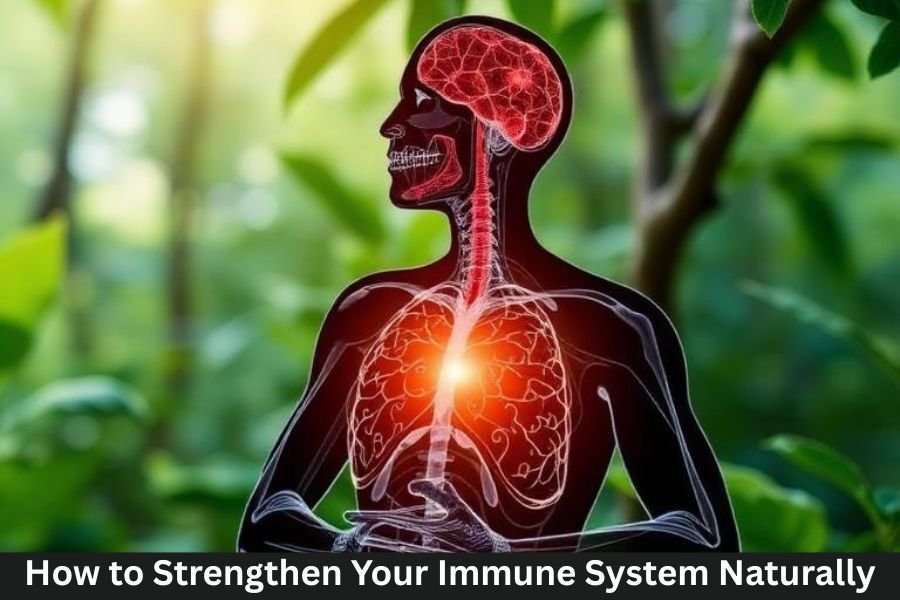
Let’s be honest — most of us only think about our immune system when we catch a cold, feel run-down, or see everyone around us getting sick. But your immune system isn’t just a “flu-season bodyguard.” It’s your full-time, 24/7 security team, constantly working behind the scenes to protect you.
The real question is: Are you supporting it, or unknowingly sabotaging it?
The good news? You don’t need extreme diets, expensive supplements, or complicated biohacks. Often, the simplest habits make the biggest difference.
Let’s break it down.
Understanding Your Immune System
What Does the Immune System Actually Do?
Think of your immune system as your body’s internal defense army. It identifies threats (like viruses, bacteria, and toxins), attacks them, remembers them, and prepares for future invasions.
It’s made up of:
- White blood cells
- Antibodies
- Lymphatic system
- Bone marrow
- Gut microbiome
Pretty impressive, right?
But here’s the catch — this system depends heavily on your daily habits. It’s not a machine that runs perfectly regardless of how you treat your body.
Why Immunity Weakens
Immunity doesn’t just collapse overnight. It gradually weakens due to:
- Chronic stress
- Sleep deprivation
- Nutrient deficiencies
- Lack of exercise
- Excessive alcohol
- Poor gut health
It’s like trying to run a high-performance car on low-quality fuel.
The Foundation of Natural Immunity
Before we jump into fancy “immune-boosting” foods, let’s talk basics.
Because without these? Nothing else really sticks.
Sleep – Your Body’s Repair Mode
Sleep is not laziness. It’s biological maintenance.
When you sleep:
- Your body produces infection-fighting cytokines
- Cells repair damage
- Stress hormones regulate
- Inflammation reduces
Consistently sleeping less than 6 hours?
That’s like cutting your immune army’s training time.
Goal: 7–9 hours of quality sleep.
Quick fixes:
- Keep a regular sleep schedule
- Avoid screens 1 hour before bed
- Dark, cool bedroom
- Limit caffeine after 2 PM
Nutrition – Fueling Your Defenses
Your immune system runs on nutrients. No nutrients = weak response.
Key players:
- Vitamin C
- Vitamin D
- Zinc
- Iron
- Protein
- Antioxidants
Instead of obsessing over “superfoods,” aim for consistency and balance.
Ask yourself:
👉 Does my plate look colorful and varied?
Hydration – The Forgotten Hero
Water helps:
- Transport nutrients
- Remove toxins
- Support lymphatic flow
- Keep mucous membranes moist
Dehydration stresses the body. Stress weakens immunity.
Simple rule: Drink enough so your urine is pale yellow.
Best Foods for a Strong Immune System
Food is information for your cells. Choose wisely.
Vitamin C-Rich Foods
Vitamin C supports white blood cells and reduces oxidative stress.
Great sources:
- Oranges
- Amla (Indian gooseberry)
- Guava
- Bell peppers
- Strawberries
- Lemon
Fun fact: Guava contains more vitamin C than oranges.
Zinc and Mineral Sources
Zinc is crucial for immune cell function.
Include:
- Pumpkin seeds
- Nuts
- Lentils
- Chickpeas
- Whole grains
- Dairy
Low zinc? Higher infection risk.
Gut-Friendly Foods
Here’s something many people miss:
👉 70% of your immune system lives in your gut.
Healthy gut = strong immunity.
Eat more:
- Yogurt / curd
- Fermented foods
- Fiber-rich vegetables
- Fruits
- Whole grains
Probiotics vs Prebiotics
Probiotics = good bacteria
Prebiotics = food for good bacteria
You need both.
Probiotics:
- Yogurt
- Kefir
- Fermented foods
Prebiotics:
- Bananas
- Garlic
- Onions
- Oats
Lifestyle Habits That Boost Immunity
Food alone isn’t enough. Your lifestyle matters just as much.
Exercise – Movement as Medicine
Regular movement:
- Improves circulation
- Reduces inflammation
- Enhances immune surveillance
You don’t need intense workouts.
Even:
- Brisk walking
- Yoga
- Cycling
- Dancing
Goal: 30 minutes most days.
Stress Management
Chronic stress floods your body with cortisol.
Too much cortisol:
- Suppresses immune response
- Increases inflammation
- Disrupts sleep
Stress is like leaving your immune system stuck in traffic.
Try:
- Meditation
- Deep breathing
- Journaling
- Nature time
- Digital detox
Sunlight and Vitamin D
Vitamin D is an immune regulator.
Low levels are linked to:
- Increased infections
- Fatigue
- Poor recovery
Natural source: Sunlight.
Just 15–30 minutes of morning sun can help.
Natural Remedies and Practices
Nature offers gentle allies.
Herbal Support
Common immune-supporting herbs:
- Turmeric
- Ginger
- Tulsi (holy basil)
- Garlic
Turmeric + black pepper = better absorption.
Golden milk isn’t just trendy — it’s functional.
Breathing and Relaxation Techniques
Sounds simple. Works deeply.
Deep breathing:
- Lowers stress hormones
- Improves oxygenation
- Supports lymphatic flow
Try:
- Box breathing
- Pranayama
- Slow nasal breathing
Habits That Secretly Weaken Immunity
Sometimes the problem isn’t what you lack — it’s what you overdo.
Poor Sleep
Even a few nights of bad sleep:
- Reduces immune cell activity
- Increases inflammation
Sleep debt adds up quickly.
Excess Sugar and Processed Foods
High sugar intake:
- Impairs white blood cells
- Promotes inflammation
Your immune system doesn’t love sugar spikes.
Balance is key.
Chronic Stress
We can’t eliminate stress — but we can manage our response.
Ignoring stress = long-term immune suppression.
Building a Sustainable Immune-Boosting Routine
Forget perfection. Focus on habits that stick.
Small Changes That Stick
Instead of a life overhaul:
✔ Add one fruit daily
✔ Walk 10–20 minutes
✔ Sleep 30 minutes earlier
✔ Drink more water
✔ Practice 5 minutes of deep breathing
Tiny upgrades → massive long-term gains.
Conclusion
Strengthening your immune system naturally isn’t about chasing miracle cures. It’s about supporting your body consistently.
Sleep well. Eat real food. Move daily. Manage stress. Get sunlight. Stay hydrated.
Your immune system is already brilliant.
It just needs cooperation, not chaos.
FAQs
1. How quickly can I improve my immune system naturally?
Some benefits — like better energy and sleep — can appear within days. Stronger immunity builds over weeks to months of consistent habits.
2. Do I really need supplements for immunity?
Not always. A balanced diet, sunlight, sleep, and lifestyle often provide what your body needs. Supplements may help if deficiencies exist.
3. Can stress alone weaken my immune system?
Absolutely. Chronic stress suppresses immune responses and increases inflammation, making you more vulnerable to illness.
4. Is exercise during illness good or bad?
Light movement (like walking) may help during mild illness. Intense workouts should be avoided until recovery.
5. What is the most important factor for strong immunity?
There’s no single magic factor, but sleep is arguably the most powerful and underrated immune booster.