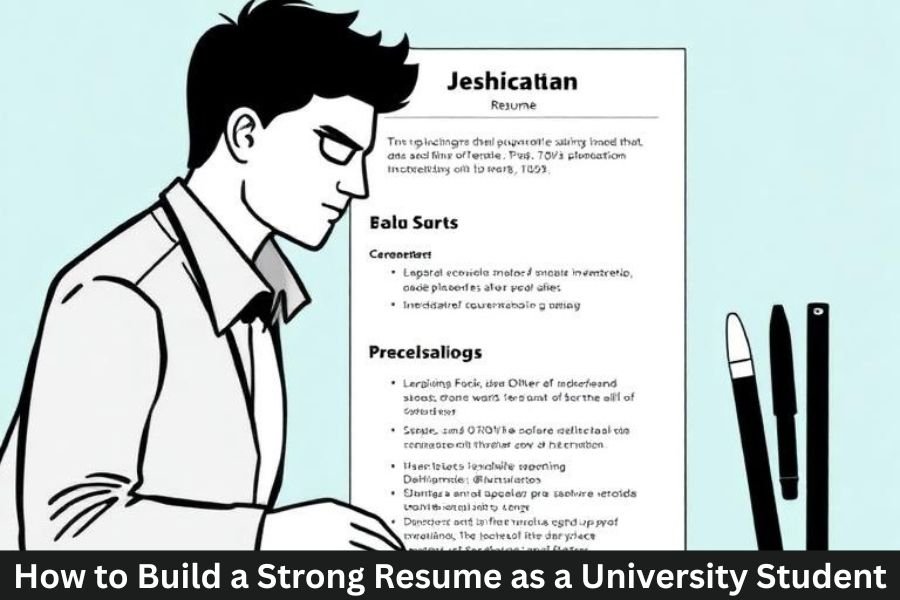
Your resume is your first impression—it can open doors or leave them closed. As a university student, building a strong resume may feel challenging when your professional experience is limited. But don’t worry—resumes aren’t just about years of work; they’re about showcasing your potential, skills, and achievements.
Think of it as your personal marketing brochure. You want it to be clear, concise, and compelling.
Understanding Resume Basics
Key Components of a Resume
A strong resume typically includes:
- Header with contact information
- Objective or summary
- Education
- Work experience
- Skills
- Projects
- Extracurricular activities
- Certifications and awards
Difference Between CV and Resume
A resume is a concise, one-page document tailored for a specific job, while a CV (Curriculum Vitae) is a detailed account of your academic and professional history, often multiple pages.
Choosing the Right Resume Format
Chronological Resume
Lists experience in reverse chronological order. Ideal if you have internships or work experience related to your field.
Functional Resume
Focuses on skills rather than experience. Great for students with limited work history.
Combination Resume
Mixes chronological and functional styles. Highlights both skills and relevant experience.
Crafting a Strong Header
Name and Contact Information
Your name should stand out at the top. Include phone number, professional email, and LinkedIn profile.
Professional Email Address
Avoid casual emails like cooldude123@gmail.com. Use a professional format: firstname.lastname@gmail.com.
Writing a Compelling Objective or Summary
Purpose of a Resume Objective
A resume objective explains what you aim to achieve professionally and why you’re a good fit for the role.
Difference Between Objective and Summary
- Objective: Focuses on your career goals.
- Summary: Highlights your experience and achievements.
Examples for Students
- Objective: “Motivated computer science student seeking a software development internship to apply coding and problem-solving skills in a professional environment.”
- Summary: “Detail-oriented marketing student with experience managing social media campaigns and event planning for student organizations.”
Highlighting Education
Listing Your University and Degree
Include the name of your university, degree, and expected graduation date.
Including Relevant Coursework
Highlight courses directly related to the job. For example, a finance internship could include “Corporate Finance” and “Investment Analysis.”
GPA and Academic Achievements
Include GPA if it’s strong (usually 3.5+). Mention scholarships, honors, or dean’s list achievements.
Showcasing Work Experience
Part-Time Jobs
Even unrelated work demonstrates responsibility, time management, and customer service skills.
Internships
Internships show hands-on experience. Highlight specific achievements, not just duties.
Volunteer Work
Volunteer roles indicate leadership, teamwork, and initiative—qualities employers love.
Emphasizing Skills
Hard Skills
Technical abilities like coding, graphic design, or data analysis.
Soft Skills
Communication, teamwork, problem-solving, and adaptability.
Technical Skills and Tools
List software or tools relevant to the field—Excel, Python, Photoshop, etc.
Including Projects and Research
Academic Projects
Briefly describe objectives, your role, and results.
Independent Research
Include any independent studies or publications, if applicable.
Group Projects
Highlight collaboration, leadership, and problem-solving.
Extracurricular Activities and Leadership
Student Clubs and Societies
Leadership roles in clubs demonstrate initiative and management skills.
Volunteer Leadership Roles
Shows responsibility, planning, and community engagement.
Certifications and Training
Relevant Online Courses
Platforms like Coursera, Udemy, or LinkedIn Learning offer skill-based courses.
Professional Certifications
Include certifications like Google Analytics, Adobe Creative Suite, or language proficiency.
Awards and Recognitions
Academic Awards
Scholarships, dean’s list, and subject awards demonstrate academic excellence.
Extracurricular Achievements
Sports, debates, or competitions showcase dedication and talent.
Tailoring Your Resume
Customizing for Job Applications
Every job is different. Adjust your resume to match the role and highlight relevant skills.
Keywords from Job Descriptions
Include industry-specific terms to pass applicant tracking systems (ATS) and impress recruiters.
Formatting and Design
Font, Spacing, and Layout
Use clean, readable fonts like Arial or Calibri. Keep it one page, with clear headings and spacing.
Using Bullet Points Effectively
Bullet points make it easier to scan. Start with action verbs: “Developed,” “Managed,” “Led.”
Avoiding Common Mistakes
No typos, no irrelevant info, and don’t exaggerate achievements.
Proofreading and Getting Feedback
Checking for Errors
Mistakes suggest carelessness. Proofread multiple times.
Seeking Advice from Mentors and Peers
A fresh pair of eyes can catch errors and suggest improvements.
Conclusion
Building a strong resume as a university student is about more than just listing your experience. It’s about strategically showcasing your skills, achievements, and potential. Even with limited professional experience, a well-crafted resume demonstrates responsibility, initiative, and readiness for the workplace. Start early, refine constantly, and make your resume a reflection of your best self.
FAQs
1. How long should a student resume be?
Ideally, one page. Focus on the most relevant experiences and skills.
2. Should I include GPA on my resume?
Include it if it’s strong (usually 3.5+). Otherwise, highlight achievements and skills.
3. Can volunteer work replace work experience?
Yes. Volunteer work demonstrates transferable skills like teamwork, leadership, and responsibility.
4. How do I make my resume stand out?
Use strong action verbs, quantify achievements, and tailor your resume for each job.
5. Are online course certifications worth adding?
Absolutely. They show initiative and help demonstrate relevant skills for the job market.