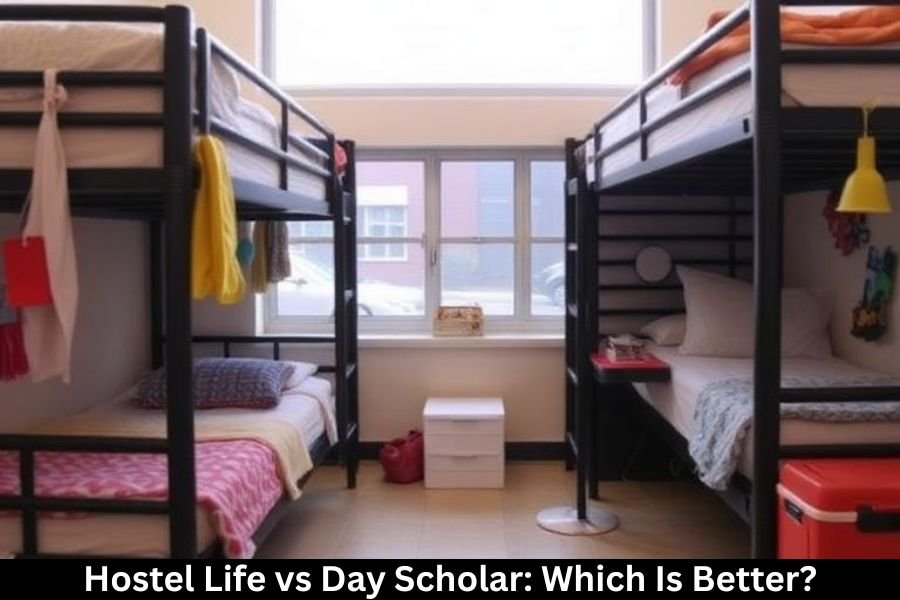
Choosing between hostel life and being a day scholar feels like standing at a crossroads. One road promises independence and adventure. The other offers comfort and stability. So, which path is better?
The truth? It depends on you. But let’s break it down so you can decide with clarity, not confusion.
The Big Debate Among Students
Every student has heard this debate. Hostel students say, “You don’t know real college life until you live in a hostel.” Day scholars respond, “Why struggle when you can live comfortably at home?” Both sides have strong arguments.
Why This Choice Matters
This decision affects your routine, finances, social life, and even personal growth. It’s not just about where you sleep. It’s about how you live.
What Is Hostel Life?
Hostel life means living on or near campus in shared accommodation provided by the institution.
Daily Routine in a Hostel
You wake up surrounded by classmates. You attend lectures together, eat together, and often study together. There’s a rhythm to hostel life—late-night talks, group studies, shared meals.
But there’s also noise, limited privacy, and occasional chaos.
Shared Living and Community Culture
Living in a hostel is like living in a mini society. You learn to adjust—different habits, different personalities, different backgrounds. It teaches tolerance faster than any textbook ever could.
What Is a Day Scholar?
A day scholar lives at home and travels to campus for classes.
Living at Home While Studying
You have your own room (hopefully), home-cooked meals, and family around you. There’s emotional security in that.
Commuting to Campus
But commuting takes time. Traffic, public transport delays, early mornings—it’s part of the package. That travel time can either be productive or exhausting.
Freedom and Independence
Freedom in Hostel Life
Hostel life often comes with fewer restrictions. You decide when to sleep, study, or hang out. It’s your mini world.
That freedom can shape you into a responsible adult—or distract you completely. It depends on how you handle it.
Comfort and Supervision at Home
At home, there’s structure. Parents may remind you to study or sleep on time. That guidance can be helpful, especially in your early college years.
But sometimes, too much supervision can feel limiting.
Academic Performance Comparison
Study Environment in Hostels
Hostels can be academically stimulating. Friends can help with assignments. Group studies can clarify concepts quickly.
However, distractions are everywhere—movie nights, celebrations, random conversations at midnight.
Study Environment at Home
At home, it’s often quieter. You can focus better if you have a dedicated study space. Fewer unexpected interruptions from peers.
Distractions vs Discipline
In hostels, social distractions are high. At home, comfort distractions (like TV or family events) can interfere. The real factor? Self-discipline.
Social Life and Friendships
Social Exposure in Hostels
Hostel life boosts social interaction. You meet people from different cities, cultures, and backgrounds. Bonds form quickly because you spend so much time together.
Some friendships last a lifetime.
Limited Social Time for Day Scholars
Day scholars may leave campus once classes end. That can mean missing spontaneous plans or late-night discussions. However, strong friendships are still possible—you just need to make intentional effort.
Financial Considerations
Hostel Expenses
Hostel fees include accommodation, meals, and utilities. It can be expensive depending on the institution. Personal spending adds up too.
Cost of Being a Day Scholar
Day scholars save on accommodation and hostel food costs. But commuting expenses—fuel, transport passes—can accumulate over time.
Financially, staying at home is often more economical.
Personal Growth and Life Skills
Skills Learned in Hostels
Hostel life teaches independence. You manage laundry, budgets, schedules, and conflicts. You grow faster because you must.
It’s like being thrown into the deep end—but you learn to swim quickly.
Responsibilities as a Day Scholar
Day scholars may not face the same survival challenges. But they still learn responsibility—balancing home duties with academics.
Growth happens in both environments, just in different ways.
Health and Lifestyle
Food and Routine in Hostels
Hostel food can be repetitive. Some days it’s great. Some days, not so much. Sleep schedules often become irregular.
Comfort of Home-Cooked Meals
At home, meals are usually healthier and customized. There’s comfort in familiar food and routines.
Health-wise, home often has the upper hand.
Time Management Differences
Managing Time in Hostels
Living on campus saves commuting time. You can attend early lectures without rushing through traffic.
Travel Time for Day Scholars
Daily travel can be tiring. But some students use commute time to read, listen to podcasts, or relax.
Time lost or time used—it depends on perspective.
Emotional Well-being
Homesickness in Hostel Life
Being away from family can be tough. Festivals, birthdays, family dinners—you might miss them.
Homesickness is real. But over time, hostels feel like a second home.
Family Support for Day Scholars
Day scholars have immediate emotional support. Bad day? You’re already home. That stability can reduce stress significantly.
Safety and Security
Campus Security in Hostels
Most institutions provide security for hostels. You’re close to campus facilities and help if needed.
Safety While Commuting
Day scholars must consider travel safety. Late classes or long routes can pose challenges.
Safety varies depending on location and circumstances.
Common Myths About Hostel and Day Scholar Life
Hostel Life Is Always Fun
Yes, it’s fun—but it’s not a constant party. There are exams, stress, and responsibilities too.
Day Scholars Miss Out on Everything
Not true. Day scholars can participate in activities and events. It just requires better planning.
Pros and Cons Summary
Advantages and Disadvantages of Hostel Life
Pros:
- Independence
- Strong social bonds
- Campus accessibility
Cons:
- Higher costs
- Limited privacy
- Possible distractions
Advantages and Disadvantages of Being a Day Scholar
Pros:
- Lower expenses
- Family support
- Better food and comfort
Cons:
- Travel fatigue
- Limited campus time
- Less spontaneous social interaction
How to Decide What’s Best for You
Personality Factors
Are you independent and adaptable? Hostel life might suit you. Prefer stability and family support? Being a day scholar may feel better.
Financial and Family Considerations
Budget matters. Family expectations matter. Distance from campus matters. Think practically, not emotionally.
Conclusion
So, hostel life vs day scholar— which is better?
There’s no universal answer. It’s like choosing between tea and coffee. Both are good. It depends on your taste.
Hostel life offers independence, adventure, and accelerated personal growth. Being a day scholar provides comfort, stability, and financial savings.
The best choice is the one that aligns with your personality, goals, and circumstances. Choose wisely—and whichever path you take, make the most of it.
FAQs
1. Is hostel life better for personality development?
It often promotes independence and social skills, but personality growth depends more on mindset than location.
2. Do day scholars perform better academically?
Not necessarily. Academic success depends on discipline and study habits, not living arrangements.
3. Is hostel life expensive?
Generally, yes. Accommodation and meal fees can increase overall education costs.
4. Can day scholars enjoy campus life fully?
Yes, with proper time management and active participation in events and clubs.
5. Which option is less stressful?
It varies. Some feel stressed away from family, others feel stressed commuting daily. Personal preference plays a major role.