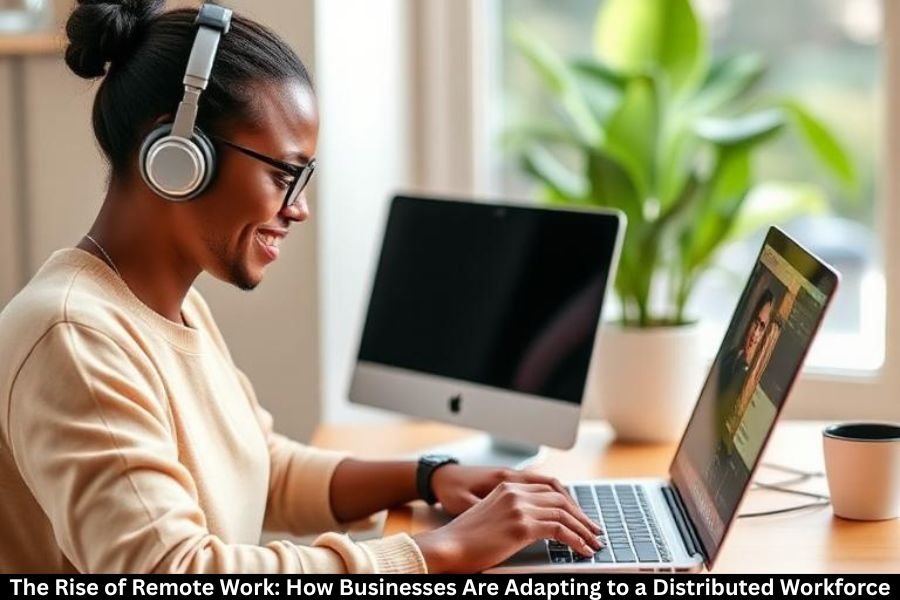
Remote work didn’t just knock on the door—it kicked it open. What was once considered a perk reserved for freelancers and tech startups has now become a mainstream way of working. Businesses across industries are rethinking how, where, and when work gets done.
What Is Remote Work?
Remote work simply means doing your job outside a traditional office setting. That could be from home, a coworking space, or even a beachside café. As long as there’s a laptop and a reliable internet connection, work can happen almost anywhere.
Why Remote Work Is No Longer a Trend but a Norm
Calling remote work a “trend” is like calling smartphones a fad. It’s here to stay. Companies have realized that productivity isn’t tied to a desk, and employees have tasted flexibility—and they’re not giving it up easily.
The Evolution of Workplaces
Traditional Office Culture vs. Remote Culture
Traditional offices thrive on face-to-face interactions, fixed schedules, and physical presence. Remote culture, on the other hand, is built on trust, autonomy, and results. Instead of watching the clock, teams focus on outcomes.
The Role of Technology in Shaping Modern Work
Technology is the backbone of remote work. Without it, distributed teams would fall apart like a house of cards.
Cloud Computing
Cloud platforms allow employees to access files, software, and systems from anywhere. No more emailing documents back and forth or worrying about outdated versions.
Collaboration Tools
Tools like Slack, Zoom, and Microsoft Teams act as virtual offices, keeping communication flowing and teams connected in real time.
Key Drivers Behind the Rise of Remote Work
Global Events and Economic Shifts
Major global disruptions forced businesses to experiment with remote work—and many were surprised by how well it worked. What started as a necessity quickly became a strategy.
Employee Demand for Flexibility
Today’s workforce values flexibility as much as salary. Employees want control over their schedules, and remote work delivers exactly that.
Cost Efficiency for Businesses
Office rent, utilities, and maintenance aren’t cheap. By going remote, companies can significantly cut overhead costs while reinvesting savings into growth.
Benefits of Remote Work for Businesses
Increased Productivity
Contrary to old-school beliefs, remote employees often get more done. Fewer interruptions, personalized work environments, and flexible hours boost focus and efficiency.
Access to Global Talent
Why limit hiring to one city when the whole world is available? Remote work allows businesses to tap into diverse talent pools across borders.
Reduced Operational Costs
Smaller office spaces, lower utility bills, and fewer travel expenses add up quickly, making remote work financially attractive.
Benefits of Remote Work for Employees
Better Work-Life Balance
Remote work blurs the line between personal and professional life—in a good way. Employees can manage family responsibilities without sacrificing productivity.
Reduced Commute Stress
No traffic. No crowded trains. No wasted hours. Cutting out the commute improves mental health and frees up valuable time.
Improved Job Satisfaction
Happier employees are more engaged, loyal, and motivated. Remote work checks all those boxes.
Challenges of Managing a Distributed Workforce
Communication Barriers
Without in-person chats, misunderstandings can creep in. Clear communication becomes more important than ever.
Maintaining Company Culture
Culture doesn’t disappear with distance—but it does need nurturing. Businesses must be intentional about values and connections.
Performance Monitoring Issues
Measuring productivity without hovering can be tricky. The key is focusing on results, not screen time.
How Businesses Are Adapting to Remote Work
Adopting Digital Tools
The right tools make remote work seamless.
Project Management Software
Platforms like Asana and Trello help teams stay aligned, track progress, and meet deadlines.
Video Conferencing Platforms
Face-to-face interaction still matters, even virtually. Video calls keep human connections alive.
Redefining Management Styles
Managers are shifting from micromanaging to mentoring, emphasizing trust and accountability.
Building a Strong Remote Work Culture
Trust and Transparency
Remote teams thrive on trust. Clear expectations and open communication build confidence on both sides.
Regular Communication and Feedback
Frequent check-ins prevent isolation and keep everyone aligned.
Virtual Team Building Activities
Online games, virtual coffee breaks, and remote retreats help teams bond beyond work tasks.
Cybersecurity and Data Protection in Remote Work
Common Security Risks
Remote work increases exposure to cyber threats, especially on unsecured networks.
Best Practices for Data Safety
Using VPNs, strong passwords, and regular security training helps protect sensitive information.
Remote Hiring and Onboarding
Virtual Recruitment Strategies
Video interviews, online assessments, and digital portfolios streamline remote hiring.
Effective Remote Onboarding Programs
Structured onboarding ensures new hires feel welcomed, informed, and productive from day one.
Legal and Compliance Considerations
Labor Laws Across Borders
Hiring internationally means understanding different labor regulations and employment laws.
Tax and Payroll Challenges
Businesses must navigate tax obligations and payroll systems for remote employees in various locations.
Measuring Productivity in a Remote Environment
Output-Based Performance Metrics
Instead of tracking hours, successful companies measure deliverables and results.
Avoiding Micromanagement
Trust employees to manage their time. Oversight should support, not suffocate.
Hybrid Work Models: The Best of Both Worlds
What Is a Hybrid Workforce?
Hybrid models combine remote and in-office work, offering flexibility with structure.
Why Many Companies Prefer Hybrid Models
They balance collaboration and independence, appealing to both businesses and employees.
The Future of Remote Work
Long-Term Impact on Businesses
Remote work is reshaping real estate, hiring practices, and corporate strategies.
Emerging Trends in Distributed Work
AI-driven tools, virtual offices, and asynchronous communication will define the next phase of work.
Conclusion
Remote work isn’t just changing where we work—it’s changing how we think about work itself. Businesses that embrace flexibility, invest in technology, and prioritize people will thrive in this new era. The distributed workforce isn’t a challenge to overcome; it’s an opportunity to unlock a smarter, more human way of working.
FAQs
1. Is remote work suitable for all industries?
Not all roles can be remote, but many industries can adopt partial or hybrid models.
2. How can businesses maintain productivity with remote teams?
By setting clear goals, using the right tools, and focusing on outcomes instead of hours.
3. What skills are important for remote employees?
Self-discipline, communication, time management, and adaptability are crucial.
4. Are hybrid work models more effective than fully remote?
It depends on the company culture and job roles. Many find hybrid models offer the best balance.
5. Will remote work continue to grow in the future?
Yes. Remote work is evolving, but its core benefits ensure it will remain a key part of the modern workplace.