Let’s be honest — the word detox is everywhere. Detox teas. Detox diets. Detox juices. It sounds magical, doesn’t it? Like pressing a reset button for your body.
But here’s the reality check: your body already has a detox system. In fact, it’s working for you 24/7 without asking for a green juice subscription.
Still, lifestyle overload — processed foods, stress, poor sleep, pollution — can make you feel sluggish, bloated, foggy, and just… off. That’s usually what people mean when they say “I need a detox.”
So instead of extreme cleanses or starvation plans, let’s talk about realistic signs your body may be under stress — and smarter ways to support it.
What “Detox” Actually Means
The Body’s Built-In Detox System
Your liver, kidneys, digestive tract, lungs, and skin already handle detoxification. They neutralize and remove waste products, toxins, and metabolic leftovers like a highly efficient cleaning crew.
No fancy powders required.
But when you overload this system — too much sugar, alcohol, ultra-processed food, chronic stress — the body can struggle to maintain balance. That’s when symptoms creep in.
Detox vs. Fad Cleanses
A true detox isn’t about deprivation. It’s about supporting natural processes, not shocking your system with extreme restrictions.
Think nourishment, not punishment.
Sign #1: Constant Fatigue
Feeling tired after a long day? Normal. Feeling exhausted even after 8 hours of sleep? That’s different.
Why It Happens
Energy dips often link to:
- Blood sugar fluctuations
- Poor sleep
- Nutrient deficiencies
- Chronic stress
- Dehydration
Your body is like a phone running too many apps — eventually, the battery drains.
What You Can Do
- Eat balanced meals (protein + fiber + healthy fats)
- Drink more water
- Get morning sunlight
- Move your body daily
- Reduce late-night screen time
Tiny changes = noticeable energy boost.
Sign #2: Frequent Bloating or Digestive Discomfort
Does your stomach feel like a balloon after meals?
Possible Triggers
- Overeating
- Too much processed food
- Low fiber intake
- Food intolerances
- Stress-induced poor digestion
Your gut isn’t just about digestion — it’s your immune and hormonal control center.
What You Can Do
- Increase fiber gradually
- Chew slowly
- Limit ultra-processed foods
- Add probiotic foods (curd, yogurt)
- Walk after meals
Digestion loves calm, not chaos.
Sign #3: Brain Fog and Poor Concentration
Ever walk into a room and forget why you’re there?
The Gut–Brain Connection
Brain fog can stem from:
- Poor sleep
- Blood sugar swings
- Dehydration
- Inflammation
- Gut imbalance
Your brain and gut are constantly chatting. Feed one poorly, both suffer.
What You Can Do
- Stay hydrated
- Prioritize sleep
- Eat omega-3 rich foods
- Reduce sugar overload
- Take screen breaks
Clear mind = fueled body.
Sign #4: Persistent Skin Issues
Skin breaking out more than usual? Looking dull?
Skin as a Reflection of Internal Health
Your skin mirrors:
- Hydration levels
- Hormonal balance
- Inflammation
- Nutrition quality
It’s like a billboard for internal stress.
What You Can Do
- Drink more water
- Eat antioxidant-rich foods
- Improve sleep
- Manage stress
- Avoid excessive sugar
Healthy glow starts inside.
Sign #5: Sugar Cravings
Craving sweets like your life depends on it?
Blood Sugar Rollercoaster
High sugar → energy spike → crash → more cravings.
It’s a loop.
What You Can Do
- Eat protein at breakfast
- Avoid skipping meals
- Choose whole fruits over sweets
- Sleep well
- Reduce hidden sugars
Stabilize blood sugar, tame cravings.
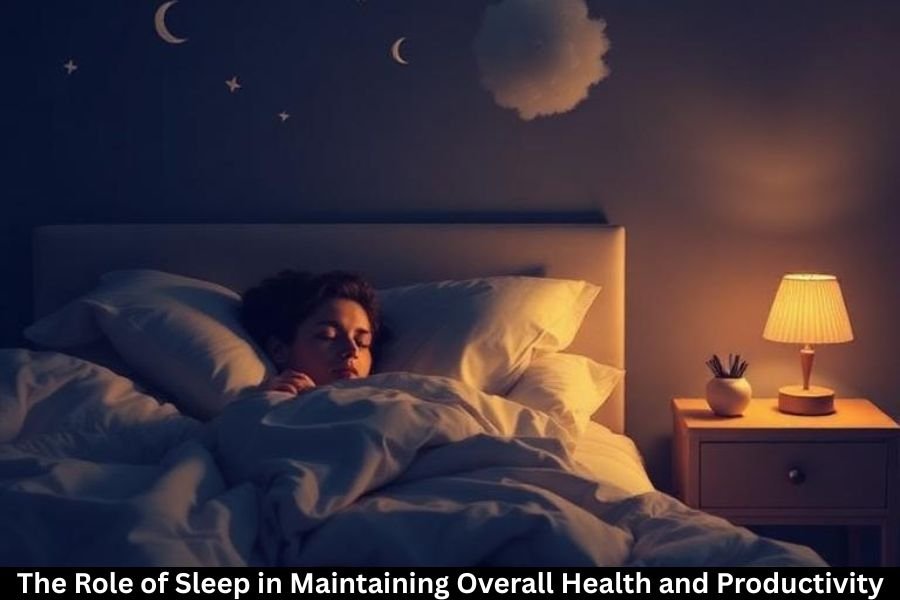
Sign #6: Poor Sleep Quality
Sleeping but not feeling rested?
Stress, Hormones, and Sleep
Sleep struggles often connect to:
- Stress hormones
- Late caffeine
- Screen exposure
- Irregular schedule
Your body can’t repair if sleep is broken.
What You Can Do
- Fixed sleep routine
- Dim lights at night
- No screens 30–60 min before bed
- Relaxation rituals
- Limit late stimulants
Sleep = ultimate reset tool.
Sign #7: Frequent Headaches
Recurring headaches? Don’t ignore them.
Dehydration & Lifestyle Factors
Common causes:
- Low water intake
- Stress
- Poor posture
- Irregular meals
What You Can Do
- Hydrate consistently
- Stretch neck & shoulders
- Eat regularly
- Reduce stress triggers
If headaches persist → see a doctor.
Gentle Detox Strategies That Actually Work
Forget extreme cleanses. These are sustainable.
Hydration
Water supports:
- Kidney function
- Digestion
- Skin health
- Energy
Aim for consistent intake, not chugging.
Fiber-Rich Foods
Fiber helps remove waste efficiently.
Add:
- Vegetables
- Fruits
- Whole grains
- Seeds
Your gut will thank you.
Movement & Sweat
Exercise improves:
- Circulation
- Lymphatic flow
- Mood
- Metabolism
Even brisk walking counts.
Sleep & Stress Management
No detox beats:
- Deep sleep
- Relaxation
- Mental balance
Meditation, breathing, hobbies — pick your weapon.
Detox Myths You Should Stop Believing
Let’s bust a few:
❌ “You need expensive detox products.”
❌ “Juice cleanses remove toxins.”
❌ “Detox = starvation.”
Truth?
✅ Your organs detox naturally
✅ Lifestyle habits matter most
✅ Extreme cleanses can backfire
When to See a Doctor
Symptoms like:
- Severe fatigue
- Persistent digestive pain
- Chronic headaches
- Unexplained weight loss
- Skin rashes
…shouldn’t be self-diagnosed as “toxins.”
Professional evaluation matters.
Conclusion
Your body isn’t a dirty machine that needs dramatic cleansing. It’s a smart, self-regulating system that thrives on support, not shock therapy.
If you feel sluggish, bloated, foggy, or drained, the answer usually isn’t a 3-day juice detox — it’s better sleep, cleaner nutrition, more hydration, and less stress.
Think of detox as daily maintenance, not emergency repair.
Small consistent habits will always outperform extreme fixes.
FAQs
1. Does my body actually store toxins that need detoxing?
Your body constantly processes and removes waste via the liver, kidneys, and digestive system. Supporting these organs through healthy habits is more effective than extreme detoxes.
2. Are detox diets safe?
Many restrictive detox diets lack essential nutrients and can cause fatigue, dizziness, or muscle loss. Gentle lifestyle adjustments are generally safer.
3. How long should a detox last?
Healthy “detox support” isn’t a short event — it’s an ongoing lifestyle approach including hydration, balanced meals, sleep, and exercise.
4. Can detoxing improve skin health?
Improving hydration, sleep, and diet quality can positively affect skin appearance. However, persistent skin issues may require medical care.
5. What’s the simplest way to start a detox-friendly routine?
Start with basics: drink more water, add vegetables to meals, sleep on time, and move daily. No drastic changes needed.