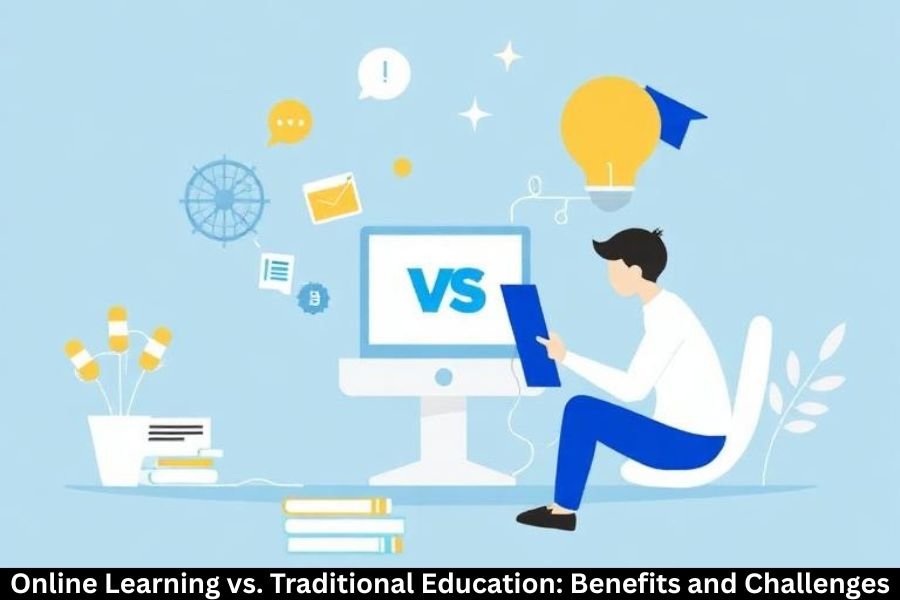
Education has come a long way from chalkboards and textbooks. Today, students can attend classes from their living rooms or sit in traditional classrooms filled with peers. The rise of technology has sparked an ongoing debate: online learning or traditional education—which one is better?
The truth is, both systems have strengths and weaknesses. Choosing the right approach depends on individual needs, goals, and circumstances.
Evolution of Learning Methods
Education has evolved with society. From oral teaching to printed books and now digital platforms, learning methods continue to adapt to modern demands.
Why the Debate Matters Today
As technology becomes more accessible, students and parents must understand which learning model offers the best outcomes.
Understanding Online Learning
What Is Online Learning?
Online learning delivers education through digital platforms, allowing students to access lessons remotely.
Types of Online Education
This includes virtual classrooms, recorded lectures, and interactive platforms.
Synchronous and Asynchronous Learning
Synchronous learning happens live, while asynchronous learning allows students to learn anytime.
Understanding Traditional Education
Classroom-Based Learning Explained
Traditional education takes place in physical classrooms with scheduled classes.
Role of Physical Schools and Colleges
Schools provide structure, discipline, and social interaction.
Face-to-Face Interaction
Direct interaction helps build communication and teamwork skills.
Benefits of Online Learning
Flexibility and Convenience
Students can learn anytime, anywhere—perfect for working professionals.
Cost-Effectiveness
Online education often reduces costs related to travel and materials.
Learning at Your Own Pace
Students can revisit lessons and progress comfortably.
Challenges of Online Learning
Lack of Social Interaction
Limited face-to-face communication may affect social development.
Self-Discipline and Motivation Issues
Online learning requires strong time-management skills.
Technical and Connectivity Problems
Internet access and technical issues can disrupt learning.
Benefits of Traditional Education
Structured Learning Environment
Regular schedules and classroom settings promote discipline.
Social Skills and Peer Interaction
Students develop friendships and teamwork abilities.
Immediate Teacher Support
Teachers can address questions instantly.
Challenges of Traditional Education
Limited Flexibility
Fixed schedules may not suit everyone.
Higher Costs
Tuition, transportation, and materials can be expensive.
One-Size-Fits-All Teaching
Traditional classrooms may not meet individual learning needs.
Comparing Learning Outcomes
Academic Performance
Both models can deliver strong academic results when used effectively.
Skill Development
Traditional education supports soft skills, while online learning enhances digital skills.
Practical vs Theoretical Learning
Hands-on learning is often stronger in traditional settings.
Role of Teachers in Both Models
Teachers in Online Learning
They act as facilitators, guiding students digitally.
Teachers in Traditional Classrooms
They provide direct instruction and classroom management.
Technology’s Impact on Education
Digital Tools and Platforms
Technology enhances engagement through videos, quizzes, and simulations.
Interactive Learning Experiences
Virtual labs and discussions improve understanding.
Personalized Education
Technology adapts content to student needs.
Student Engagement and Motivation
Engagement in Online Learning
Interactive tools help maintain interest.
Engagement in Traditional Education
Face-to-face interactions boost participation.
Accessibility and Inclusivity
Reaching Remote Learners
Online education reaches students in distant areas.
Addressing Special Learning Needs
Both models can support diverse learners.
Bridging the Digital Divide
Access to technology remains a challenge for some.
The Rise of Hybrid Learning Models
Combining Online and Offline Education
Hybrid models offer flexibility and structure.
Benefits of Blended Learning
Students enjoy the best of both worlds.
Choosing the Right Learning Method
Factors to Consider
Lifestyle, goals, and learning preferences matter.
Learning Styles and Goals
Visual, auditory, and hands-on learners may prefer different models.
Conclusion: Finding Balance in Modern Education
Online learning and traditional education are not rivals—they are complements. Each offers unique benefits and faces real challenges. The future of education lies in balance, combining flexibility with structure and technology with human connection. By understanding both models, learners can choose the path that best supports their success.
FAQs
1. Is online learning as effective as traditional education?
Yes, when structured properly and supported by engagement tools.
2. What are the main advantages of traditional education?
Social interaction, structure, and hands-on learning.
3. Who benefits most from online learning?
Working professionals and self-motivated learners.
4. What is hybrid learning?
A mix of online and traditional education methods.
5. Which education model is better for the future?
A blended approach combining both models.